Legacy modernization
Modernise the systems your business runs on, without switching them off.
We replace fragile, expensive-to-change software with clean, supported architecture, one safe step at a time. Your teams keep working while the old system is retired piece by piece behind them.
- No big-bang rewrites
- Business continuity throughout
- Data migrated and verified
- Cloud-ready architecture
Why modernise
Old software is rarely broken. It is just costing you more every year.
Most legacy systems still do their job. The problem is everything around them: the framework nobody supports any more, the one developer who understands the billing module, the release that takes a weekend, and the integration request that gets a six-month estimate. Each year the system stays as it is, change becomes slower and riskier.
Agleam Labs modernises in increments rather than gambling on a full rewrite. We map what the system actually does, decide what to keep, rebuild, or retire, and move functionality across behind stable interfaces. Every stage ships to production, so you see value early and never face a single high-stakes cut-over.
Modernisation services
Every route from legacy to modern.
The right approach depends on the system. We choose per component, not per project, and explain the trade-offs in plain terms.
01 System assessment and code audit +
- Code audit
- Dependency review
- Risk mapping
- Roadmap
A structured review of code quality, dependencies, architecture, data, and operational risk, ending in a prioritised modernisation roadmap.
02 Re-platforming +
- Runtime upgrades
- Framework upgrades
- Containerisation
- End-of-life fixes
Moving applications to supported runtimes, current framework versions, or containers with minimal code change, to remove end-of-life risk quickly.
03 Refactoring +
- Test coverage
- Modularisation
- Dead code removal
- Clean architecture
Restructuring tangled code into clear, tested modules so new features can be added safely and onboarding new developers stops being painful.
04 Re-architecture +
- Modular monolith
- Microservices
- Domain boundaries
- API-first
Breaking monoliths into well-bounded services or modular monoliths where it genuinely helps, with clear APIs and independent deployment.
05 Strangler pattern migration +
- Strangler fig
- API facade
- Feature routing
- Incremental cut-over
Routing traffic through a facade so new components take over features one by one, while the legacy system keeps serving everything else.
06 Data migration +
- Schema mapping
- Data cleansing
- Reconciliation
- Dual running
Mapping, cleaning, and moving data from old schemas and databases, with reconciliation checks so nothing is lost or silently changed.
07 Cloud migration +
- AWS
- Azure
- Google Cloud
- Infrastructure as code
- CI/CD
Moving legacy workloads from on-premise servers to AWS, Azure, or Google Cloud, with infrastructure as code and automated deployment from the start.
08 UI and UX modernisation +
- React
- Responsive design
- Accessibility
- Design systems
Replacing dated desktop or server-rendered screens with fast, accessible web and mobile interfaces that sit on the same reliable back end.
What you gain
A system you can change again.
-
Faster change
Features that used to take months become routine releases.
-
Lower operational risk
Supported software, patched dependencies, and no single point of knowledge.
-
Lower running costs
Retire expensive licences, ageing hardware, and manual workarounds.
-
Easier integration
Clean APIs make it simple to connect partners, tools, and new channels.
-
Easier hiring
A modern stack that developers want to work on and can learn quickly.
-
Not sure whether to refactor, rebuild, or replace? Book a free consultation and we will give you an honest view.
Get a modernisation assessment →
Why Agleam Labs
Modernisation led by engineers who respect what already works.
Hover or tap a card to see what it means in practice.
How we work
Modernisation without the leap of faith.
-
01
Discover
We study the code, data, integrations, and the people who use the system, and record how it really behaves.
-
02
Plan
We agree the target architecture and a sequence of small, independently valuable migration steps.
-
03
Migrate in slices
Each slice is built, tested against legacy behaviour, released, and verified before the next begins.
-
04
Retire and hand over
Old components are switched off once replaced, and your team receives documentation and training.
Agleam Labs in numbers
- Enterprise apps delivered
- 50+
- Enterprise apps delivered
- On-time delivery
- 99.8%
- On-time delivery
- Years of senior experience
- 10–30
- Years of senior experience
- Years of DevOps experience
- 20+
- Years of DevOps experience
- Technologies in production
- 20+
- Technologies in production
- Office, worldwide clients
- 1
- Office, worldwide clients
Technologies
From what you have to what you need.
We read legacy stacks fluently and move them onto current, well-supported platforms.
-
 .NET
-
 Java
-
 PHP
-
 Python
-
 Node.js
-
 TypeScript
-
 React
-
 Angular
-
 Docker
-
 Kubernetes
-
 AWS
-
 Azure
-
 Terraform
-
 CI/CD
- SQL Server
- PostgreSQL
Industries
Modernising core systems across sectors.
Long-lived platforms that hold years of business rules and data, in industries where downtime is not an option.
 FinTech
Payment, lending, and transaction platforms for always-on financial operations.
 Healthcare
Secure digital systems for data-heavy healthcare workflows and service delivery.
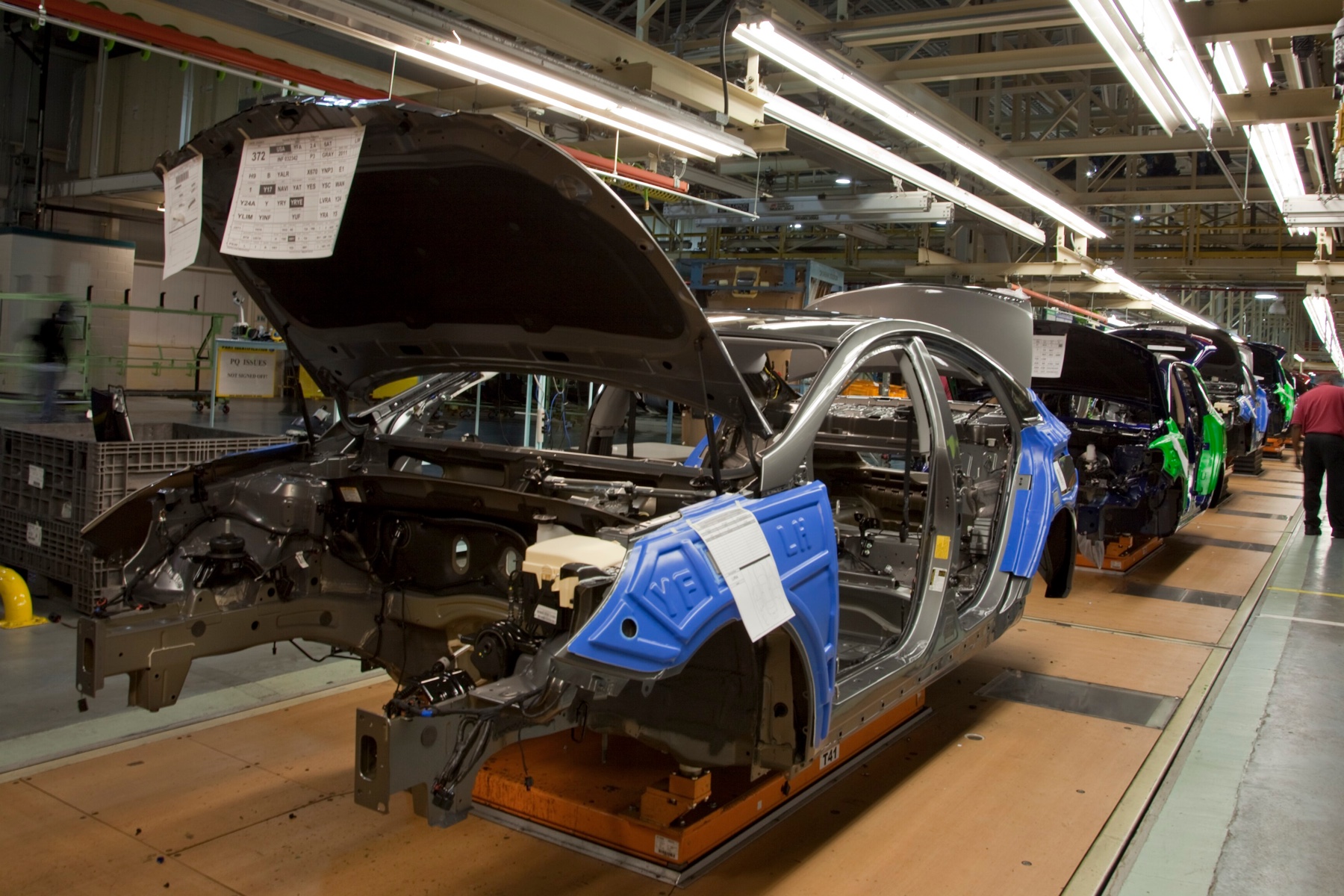 Manufacturing
Industrial software that connects production, inventory, quality, and plant operations.
 Logistics
Platforms for fleets, shipments, warehouses, and connected supply-chain operations.
 Real estate management
Property platforms for portfolios, leasing, tenants, sales, and day-to-day operations.
 Telecom
Digital platforms, integrations, and service systems for continuous delivery.
FAQs
Legacy modernization questions.
Straight answers about legacy modernization with Agleam Labs.
Talk to an expert
Tell us what you are working on. A senior engineer will reply with honest advice and a suggested next step.
Book a call →Should we rewrite our system from scratch? + −
Rarely in one go. Full rewrites tend to run long, miss hidden business rules, and delay value until the very end. We usually recommend incremental replacement, keeping a rewrite only for components where it is clearly cheaper than repairing them.
Can you work with code that has no documentation or tests? + −
Yes, and it is common. We start by adding characterisation tests that capture current behaviour, then document as we go. That safety net is what makes later changes low-risk.
Will our users notice the migration? + −
Ideally only through improvements. We use parallel running, feature flags, and staged rollouts, and schedule any unavoidable switch-overs for low-traffic windows with a tested rollback plan.
How long does a modernisation project take? + −
An assessment typically takes two to four weeks. Modernising a single application often runs from three to nine months, and larger estates are planned as a series of phases, each delivering working software.
How do you make sure no data is lost? + −
We profile and clean data before moving it, run trial migrations, and reconcile record counts, totals, and samples between old and new systems before anything is switched over.
Do we have to move to the cloud as part of modernisation? + −
No. Cloud is often a good fit, but we can modernise applications on your existing infrastructure or a private environment if regulation, cost, or preference points that way.
Start a project
Let's plan your modernisation.
- A free consultation with a senior engineer
- Clear scope, timeline, and budget
- Confidential, with an NDA on request
- Support after delivery
Prefer email?
info@agleamlabs.comGive your core systems another decade of life.
Tell us about the system that is holding you back. A senior engineer will suggest a practical, low-risk path forward.