Computer vision development
Give your operations a reliable pair of eyes.
Agleam Labs builds computer vision systems that inspect products, read documents and labels, count and track objects, and analyse video feeds. We train models on your own images and deploy them where the cameras are, from the cloud to devices on the factory floor.
- Visual quality inspection
- OCR and document capture
- Object detection and tracking
- Video analytics, cloud or edge
What we do
Turning images and video into usable data.
Many operational checks still rely on someone looking: spotting defects on a line, reading serial numbers, checking whether safety gear is worn, or counting stock on shelves. Computer vision automates that looking. It works continuously, applies the same standard every time, and records what it saw for later review.
Lab accuracy is not enough. Lighting changes, cameras get dusty, and products vary. We collect and label images from your real conditions, design the camera and processing set-up with you, and validate performance on site before go-live. Results flow into your existing systems as alerts, records, or dashboards.
What we deliver
Vision systems for real-world conditions.
From a single inspection station to analytics across many camera feeds, we handle data, models, and deployment.
01 Visual inspection and quality control +
- Defect detection
- Assembly checks
- Production lines
- Reject logging
Detection of defects, missing parts, and assembly errors on production lines, with images of every rejected item kept for review.
02 OCR and document capture +
- OCR
- Handwriting
- Forms
- Labels
- Data validation
Reading printed and handwritten text from forms, invoices, IDs, labels, and meter displays, turning it into structured, validated data.
03 Object detection and counting +
- Detection
- Counting
- Inventory
- Yard management
Locating and counting items, vehicles, or people in images and video, for stock checks, yard management, and throughput measurement.
04 Video analytics +
- Live streams
- Event detection
- Zone alerts
- Heatmaps
Analysis of live or recorded video for movement patterns, dwell times, zone breaches, and events, with alerts sent when attention is needed.
05 Safety and compliance monitoring +
- PPE detection
- Restricted zones
- Site safety
- Privacy masking
Checks for protective equipment, restricted-area access, and unsafe behaviour on sites and in warehouses, designed with privacy in mind.
06 Edge deployment +
- Edge devices
- Model optimisation
- Low latency
- Offline operation
Models optimised to run on cameras, gateways, and compact devices close to the action, keeping latency low and reducing bandwidth and cloud costs.
07 Dataset creation and labelling +
- Data collection
- Annotation
- Augmentation
- Label QA
Image collection plans, labelling guidelines, and quality-checked annotation, giving your models a solid foundation you own.
Why computer vision
Consistent checks, every item, every shift.
-
Consistent standard
The same criteria applied to every item, without fatigue at the end of a shift.
-
Instant detection
Faults and events spotted as they happen, so problems are fixed before they spread.
-
Full coverage
Inspect every item or watch every feed, not a sample.
-
Visual evidence
Stored images and events give a clear record for quality reviews and audits.
-
Staff on skilled work
People move from repetitive checking to handling the exceptions the system flags.
-
Have a visual check you would like to automate? Book a free consultation and we will assess its feasibility.
Book a free consultation →
Why Agleam Labs
Vision projects grounded in the real world.
Hover or tap a card to see what it means in practice.
How we work
From camera feed to dependable automation.
-
01
Assess feasibility
We review the task, sample images, and site conditions, and confirm what accuracy is realistic.
-
02
Collect and label
We gather representative images and video, label them carefully, and set aside a fair test set.
-
03
Train and pilot
We train and optimise models, then run a pilot on site alongside your current process.
-
04
Deploy and maintain
We roll out across stations or sites, monitor accuracy, and retrain as products or conditions change.
Agleam Labs in numbers
- Enterprise apps delivered
- 50+
- Enterprise apps delivered
- On-time delivery
- 99.8%
- On-time delivery
- Years of senior experience
- 10–30
- Years of senior experience
- Years of DevOps experience
- 20+
- Years of DevOps experience
- Technologies in production
- 20+
- Technologies in production
- Office, worldwide clients
- 1
- Office, worldwide clients
Technology
Our computer vision stack.
Proven frameworks and runtimes for training, optimising, and deploying vision models.
-
 Python
- PyTorch
- OpenCV
- YOLO
- TensorFlow
- ONNX Runtime
- NVIDIA TensorRT
- Tesseract
- NVIDIA Jetson
- Azure AI Vision
- AWS Rekognition
- Google Cloud Vision
-
 Docker
-
 Kubernetes
-
 AWS
-
 Monitoring
Industries
Vision for physical operations.
Computer vision pays off wherever goods, sites, or documents need checking at volume.
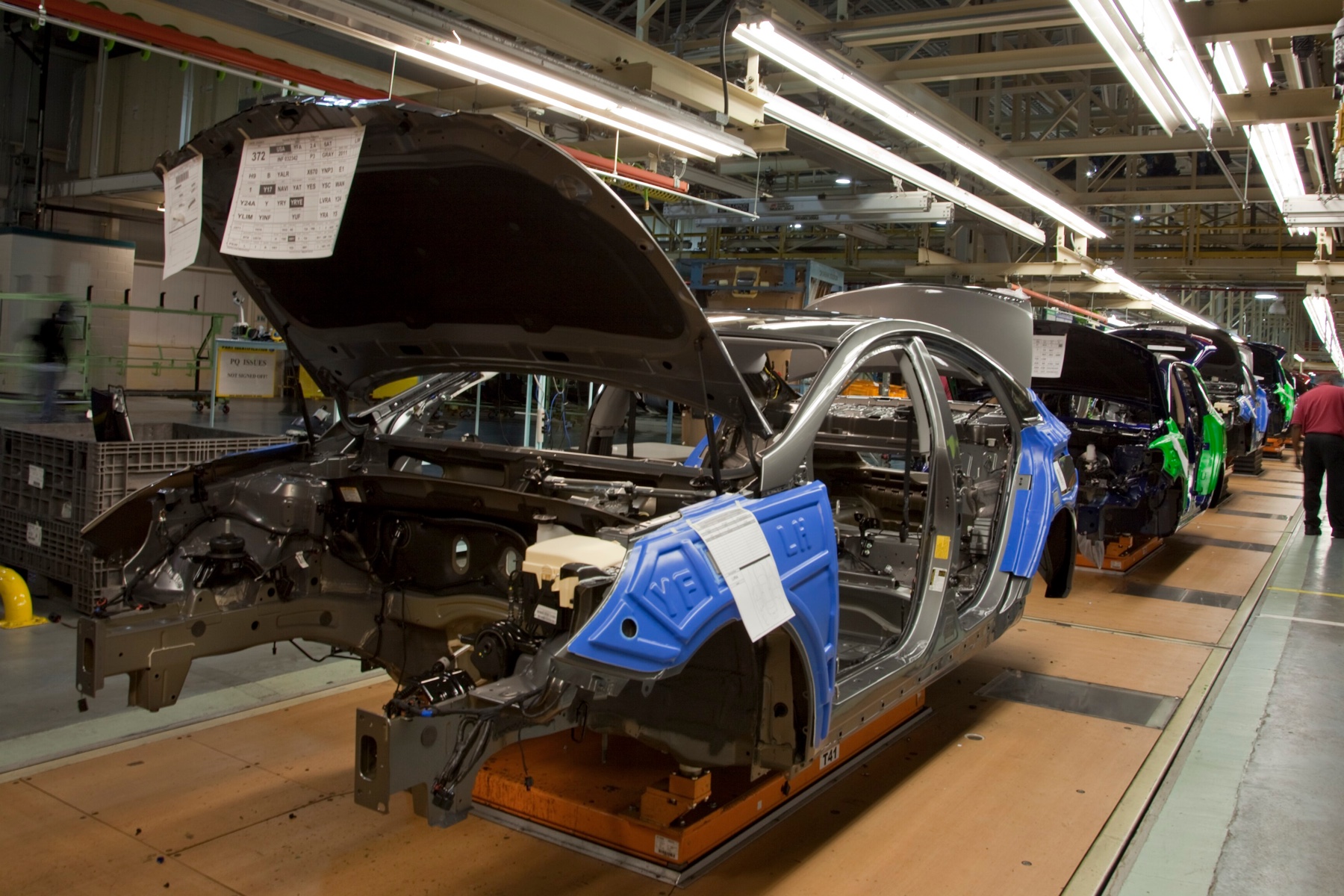 Manufacturing
Industrial software that connects production, inventory, quality, and plant operations.
 Logistics
Platforms for fleets, shipments, warehouses, and connected supply-chain operations.
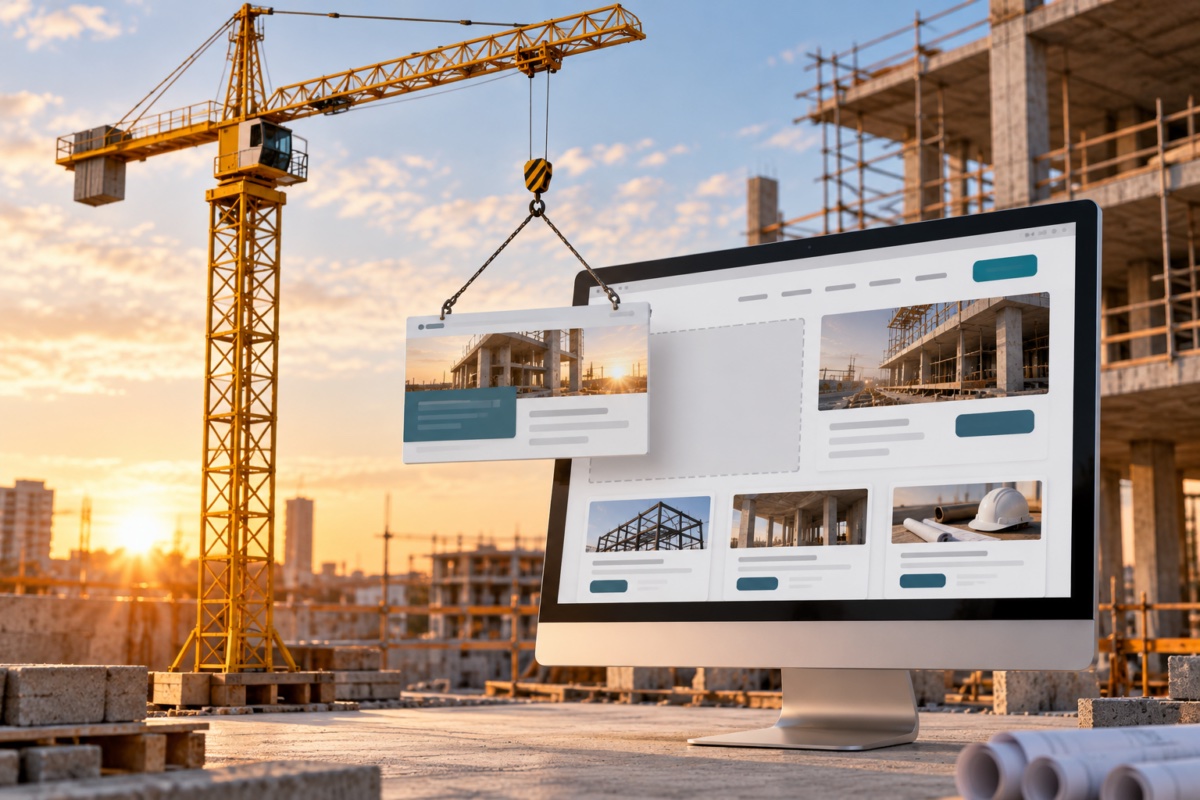 Construction
Project, site, and field operations software for construction teams.
 Pharma
Compliant platforms for pharma operations, distribution, and regulated workflows.
 Healthcare
Secure digital systems for data-heavy healthcare workflows and service delivery.
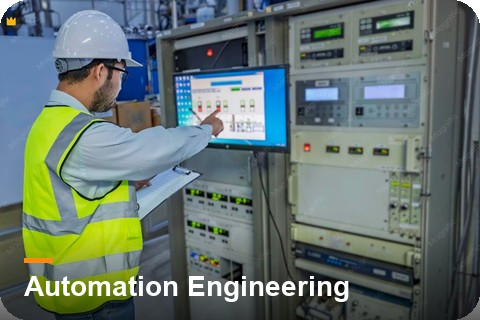 Automation Engineering
Monitoring, control, and engineering workflow software for automated operations.
FAQs
Computer vision questions.
Straight answers about computer vision with Agleam Labs.
Talk to an expert
Tell us what you are working on. A senior engineer will reply with honest advice and a suggested next step.
Book a call →What accuracy can we expect? + −
It depends on the task, image quality, and how visible the target is. We run a feasibility assessment on your images first and agree accuracy targets before full development.
How many images do we need? + −
Often a few hundred well-labelled examples per class are enough to start, especially with pre-trained models. Rare defects may need more examples or synthetic data. We plan this with you.
Can we use our existing cameras? + −
Often, yes. We assess resolution, frame rate, angle, and lighting. If changes are needed, we recommend the smallest adjustment that gets reliable results.
Should processing run in the cloud or on site? + −
Edge processing suits low-latency or high-volume video and sites with limited connectivity. Cloud suits document capture and batch analysis. Many systems use both.
How do you handle privacy when people are on camera? + −
We minimise what is stored, blur or mask faces where identity is not needed, apply retention limits, and restrict access to footage, in line with your policies and local law.
How long does a computer vision project take? + −
A feasibility study takes two to four weeks. A production system for a single inspection or capture task typically takes ten to sixteen weeks including the on-site pilot.
Start a project
Let's look at your vision challenge.
- A free consultation with a senior engineer
- Clear scope, timeline, and budget
- Confidential, with an NDA on request
- Support after delivery
Prefer email?
info@agleamlabs.comAutomate the checks your team does by eye.
Send us a description and a few sample images. We will tell you what is feasible and how we would approach it.